Yes. Harbor seals are present from April to September, this is the most popular period, with births in June–July. Grey seals, larger and more imposing, arrive from November to March. In practice, there are always seals at Le Hourdel, whatever the season.
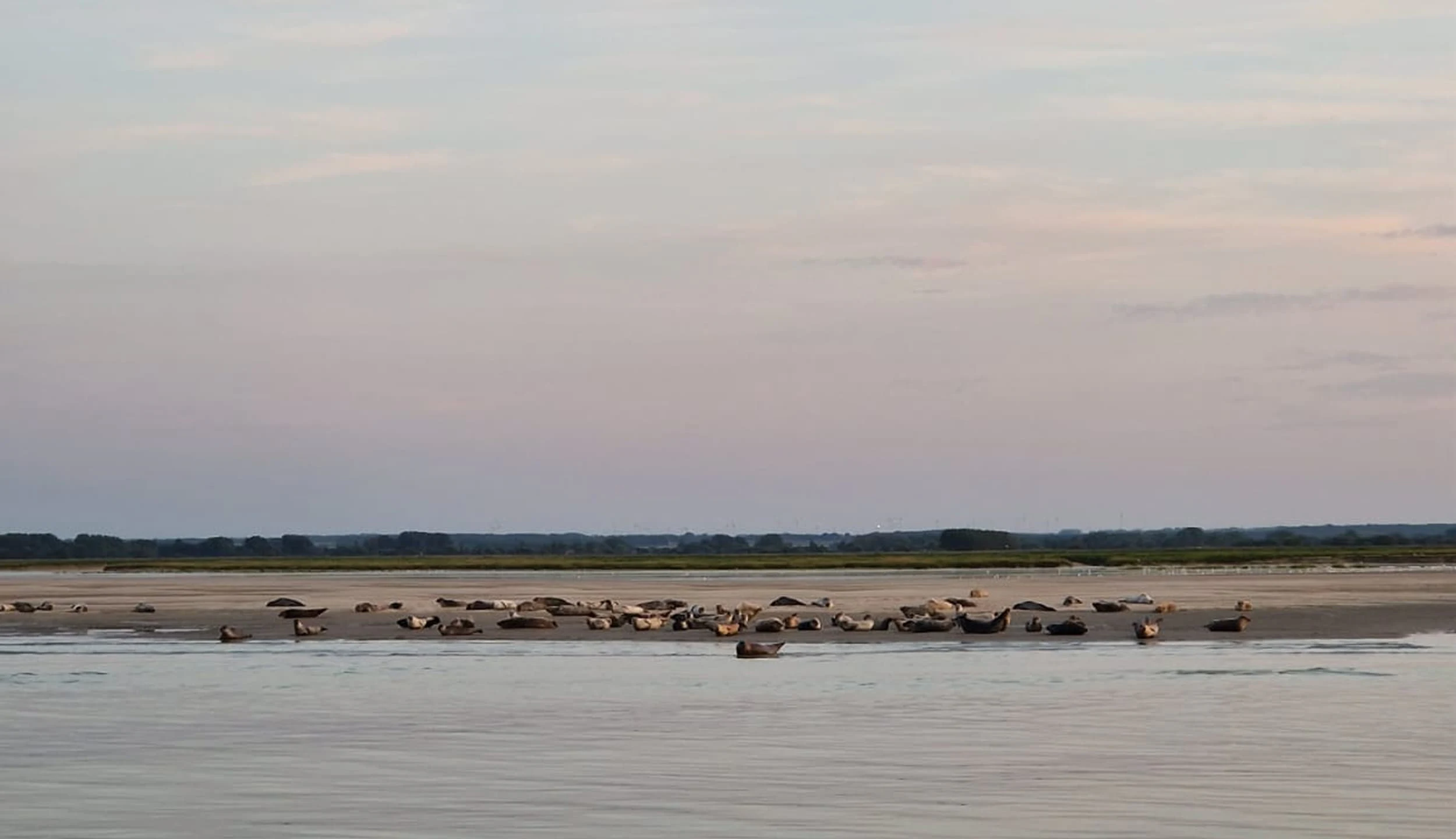
Watching seals in the Baie de Somme
If there’s one thing many people come to the Baie de Somme for today, it’s obviously the seals. And honestly, it’s easy to understand why. Because it’s beautiful, because it’s alive, because it’s a true bay experience, and also because it’s one of those things that instantly gives you the feeling of being somewhere else — somewhere still a bit wild, still a bit preserved, still alive in the best sense of the word.
The colony at Le Hourdel includes around 300 harbor seals and grey seals. It is the largest in France. You can observe them all year round, on foot from the point or by boat.
Now, if you want to observe seals in the Baie de Somme, you first need to know where to go. And to keep it simple and get straight to the point, there is one place we strongly recommend: Le Hourdel.
Le Hourdel, the best place to see seals
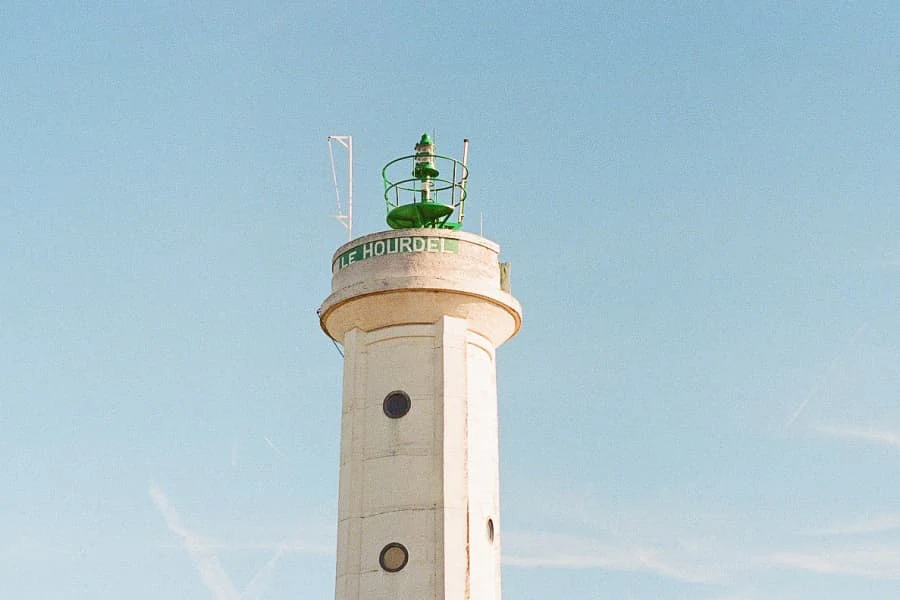
Le Hourdel is a very charming little place, a bit at the end of the bay, where you can go and observe the seals and there are many of them. You can get there from Saint-Valery-sur-Somme either by bike or, of course, by car. And already, that’s quite pleasant, because the journey itself sets the mood.
Once you arrive, you park in the lot at the end of the village. I strongly recommend going all the way to the tip of Le Hourdel, turning left to park, then walking peacefully.
Practical info
- Free parking at the end of the village
- 15-minute walk to the point
- From Saint-Valery: 15 minutes by car, 30 minutes by bike
- Binoculars strongly recommended
And then, of course, go see the seals, with or without a guide. With a guide, it can be very interesting, and if needed, we’d be happy to recommend one. Without a guide, it’s also possible, of course, but you should still come with a bit of common sense — and above all, with binoculars. That way you can really see them, because otherwise you might be a bit far away, and it would be a shame to come all this way just to vaguely make out a shape on a sandbank, when honestly, with binoculars, you enjoy it so much more.
A walk that is already worth it
What’s great about Le Hourdel is that you don’t just come for the seals. You also come for the place itself.
We strongly recommend a short walk along the pebble beach, to once again observe the seals, see an old overturned bunker, or simply enjoy a stroll carried by the sea air, which is very pleasant. There’s something quite simple, quite raw about this place, and it works beautifully.
And for the more adventurous, you can even walk from Le Hourdel to Cayeux-sur-Mer (~5 km, 1h30). You extend the walk, discover a different atmosphere, and come across the charming little beach huts that immediately add something to the landscape. For more walking routes, check out our guide to the most beautiful walks in the Baie de Somme.
Best time to observe seals
Here too, there’s a simple but very useful tip: go at low tide.
Because at high tide, it’s immediately much harder to see them. That’s where beginners, new explorers, those discovering the place for the first time, sometimes get caught out. But thanks to me, you should be able to do it the right way.
When the sea has receded, the seals come to rest peacefully on the sandbanks. They relax, settle in, go about their lives, and you simply have to watch and enjoy. That’s also part of the charm of the moment. There’s no need to overdo it. The bay is already doing the work for you.
So really, check the tide times before you go, arrive a bit before low tide, take your time, and you’ll greatly increase your chances.
Which season?
Harbor seals can be seen from April to September. This is peak seal season, with births in June–July. Grey seals, larger and rarer, arrive from November to March. In practice, you can see them all year round at Le Hourdel, but spring and early autumn offer the best balance: good weather, fewer people, and seals present.
In June, you can see them almost every outing, and during summer, at the right time depending on the tides especially by boat, as has happened to us several times you can easily come across them.
Watching seals from a boat
Now, if you want to observe the seals in a different way than on foot from Le Hourdel, you can also see them from boats.
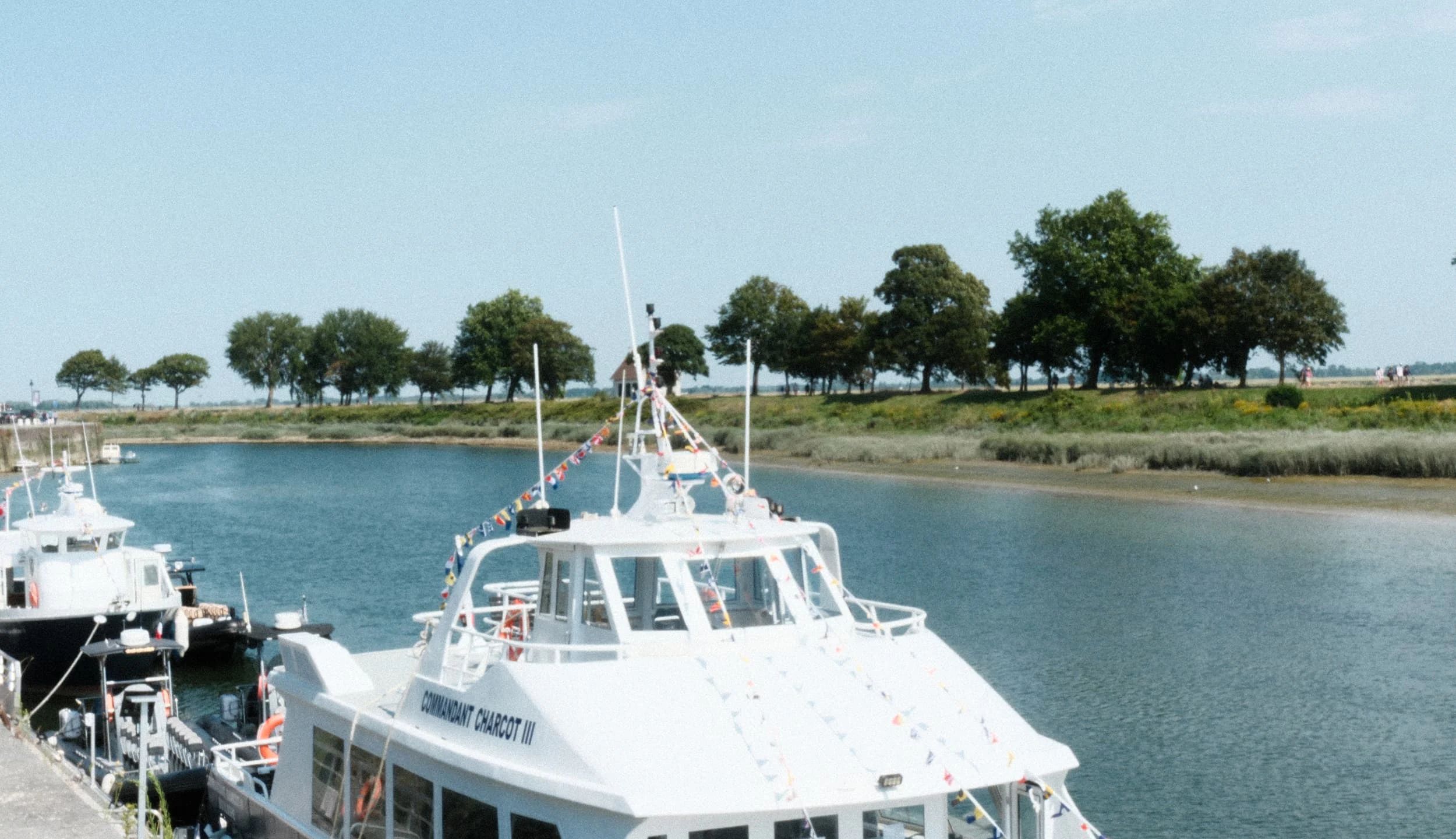
Le Commandant Charcot
And here, I recommend the Commandant Charcot, a true institution of the Baie de Somme, something to do, discover, or rediscover. It’s a very enjoyable experience. If you’re looking for something faster, with bigger boats, more direct, more “let’s go for it,” it’s a very good option.
Practical info
- Price: €15 to €25
- Duration: 1h15 to 2h
- Departure: Saint-Valery-sur-Somme or Le Crotoy
- Booking recommended in summer
- Contact: 03 22 60 74 68
Christophe and la Canoterie
You also have Christophe and La Canoterie, who can take you out on a small boat. And if you’re looking for something with a bit more charm, something more elegant, more intimate, it’s also a great option. Christophe’s boat follows a completely different approach. There are fewer people, it’s calmer, more delicate, and it often appeals to those looking for something less “mainstream outing” and more personal.
Both options are good. Honestly, it mostly depends on what you prefer. Either something faster and more institutional, or something smaller and more charming.
Practical info
- Price: from €40/person
- Duration: 1h15
- Departure: Saint-Valery-sur-Somme
- Booking: 06 71 78 22 37
By kayak or canoe
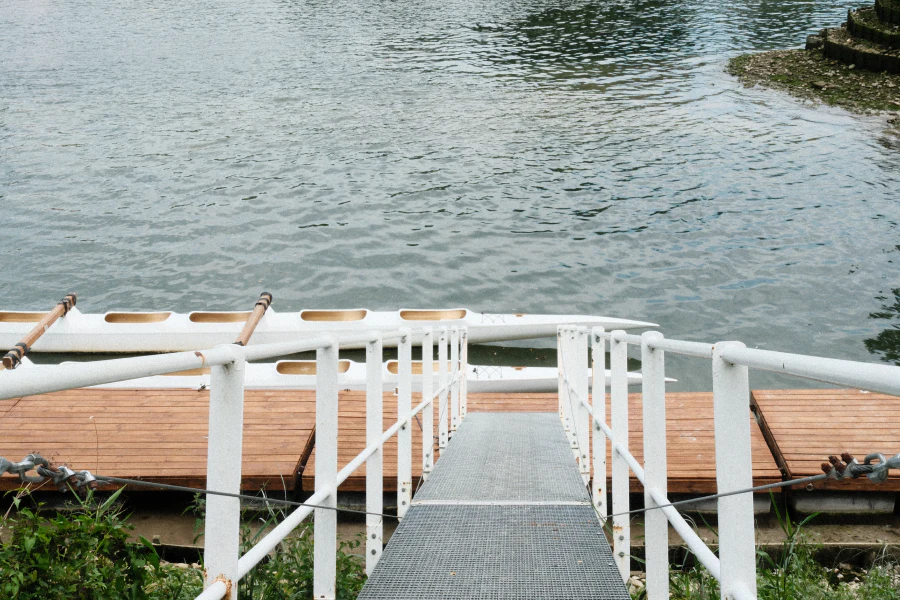
If you’re still on the water, another thing you can do in Saint-Valery-sur-Somme is canoe excursions, more like Canadian-style canoes, again with La Canoterie. You’ll find yourself in beautiful canoes, with several people, allowing you to discover the bay in a different way.
It’s not strictly “seal watching” in the pure sense, but it fully contributes to the experience. Because the more you see the bay from different perspectives, the more you understand it. From the land, from the beach, from a boat, from a canoe everything changes, and that’s also what makes the Baie de Somme so interesting.
Practical info
- Price: from €35/person
- Duration: 2 to 3h
- Booking: 06 71 78 22 37
Do you need a guide to see the seals?
La réponse est simple : ce n'est pas obligatoire, mais cela peut être très intéressant.
Avec un guide, vous comprenez mieux ce que vous voyez. Vous savez où regarder, à quel moment venir, ce qui se passe avec la marée, comment vivent les phoques, pourquoi ils sont là, comment ils se déplacent. Et puis cela permet aussi de découvrir la baie autrement qu'en simple spectateur.
Sans guide, cela fonctionne aussi, surtout au Hourdel, qui reste l'endroit le plus facile pour une première observation. Mais disons qu'avec un guide, on transforme plus facilement une belle photo ou une belle scène en vraie découverte.
We recommend Max en baie for nature outings, he knows the colony by heart. Expect around €20 per adult and €10 for children (up to 15 years old).
Respecting the seals, of course
This is common sense, but it still needs to be said. If you come to observe seals in the Baie de Somme, the idea is not to disturb them.
The rule: stay at least 300 meters away. It’s the law, and it’s also what allows the colony to remain.
Keep your distance, avoid doing anything reckless, don’t head off adventuring trying to play the hero on the sandbanks, and simply watch quietly. They are at home, we are just guests observing them.
And honestly, the magic of the moment also comes from that: being there, seeing without intruding, enjoying without damaging anything.
Harbor seals and grey seals: what’s the difference?
In the Baie de Somme, it is quite easy to visually distinguish grey seals from harbor seals by mainly observing the head and overall shape. The grey seal is larger and more massive: it has an elongated head with a convex profile reminiscent of a “Roman nose,” and its nostrils are parallel, giving it a more elongated, almost “horse-like” expression. In contrast, the harbor seal (or common seal) is smaller and stockier, with a round head, clearly visible large eyes, and V-shaped nostrils, giving it a softer appearance, often compared to that of a dog. In short, a long head and a larger build indicate a grey seal, while a round head and a “cute” look correspond to a harbor seal.
- Harbor seals: the most numerous, smaller, rounder, with a dog-like face. Present from April to September, with births in June–July.
- Grey seals: larger, more elongated, with a more pointed muzzle. Arrive in winter (November–March).
- Both briefly coexist in autumn.
In short, if you’re looking for where to see seals in the Baie de Somme, start with Le Hourdel, bring binoculars, check the tides, and take your time. The rest will come naturally.
And if you’re looking for a base at the gateway to the bay, discover our accommodations at Lieudieu.
Frequently asked questions
This guide was written by Tristan Maillard, the next generation of the Lieudieu estate in the Baie de Somme. Having spent more than 30 years in the region, he welcomes travelers each year in search of nature, horseback riding, and unusual stays.